When people talk about the property market in Rainham, the conversation usually centres on house prices. But price is only one part of the picture.For homeowners and buyers, another important question is: how much space are you actually getting for your money?
A £300,000 property in one part of the country could offer considerably more floor space than a similarly priced home elsewhere. Even within Rainham, the average size of a property can vary depending on its postcode and property type.
Newly available floor-area data gives us an opportunity to look beyond prices and bedrooms and examine how much space homes in Rainham actually provide.
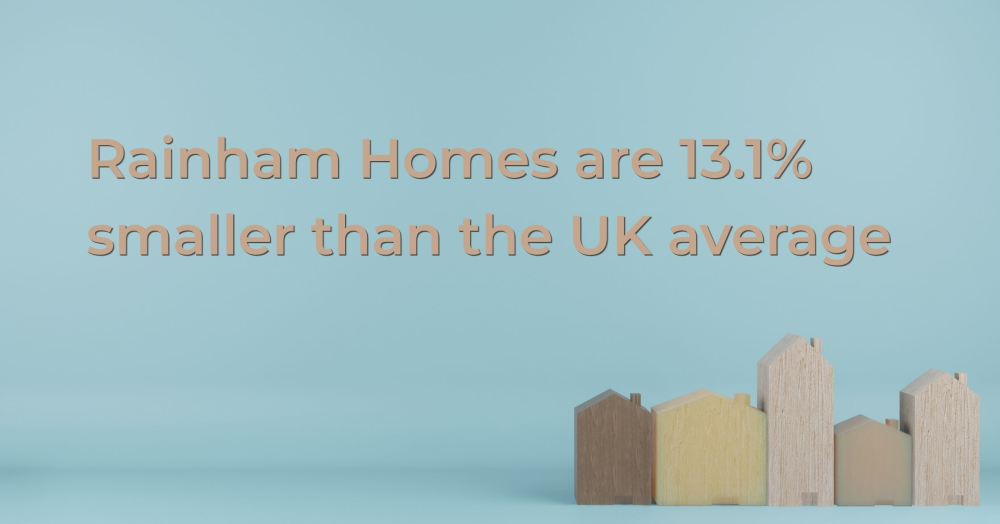
The headline figure is striking: the average home in Rainham is 13.1% smaller than the UK average.
The Average Home in Rainham Is 896 sq ft
The average home in Rainham has a floor area of approximately 896 square feet.
Across the UK, the average is around 1,030 square feet.
That means the typical Rainham property is 13.1% smaller than the national average.
However, an overall average doesn't tell the whole story.
The mix of properties within an area can have a significant impact on the figure. A town with a large number of flats and terraced houses will naturally have a lower average floor area than an area dominated by detached and semi-detached family homes.
So, what happens when we break the figures down by property type?
Detached Homes: 1,428 sq ft
Detached properties are generally the largest homes in the market, and Rainham is no exception.
The average detached home in Rainham measures approximately 1,428 square feet, compared with a UK average of 1,511 square feet.
That means Rainham's average detached property is 5.5% smaller than the UK average.
The difference isn't particularly large compared with some other property types. The age and character of the local housing stock are likely to play a role.
Older detached properties can sometimes offer larger rooms, bigger plots and more generous layouts, while newer homes may make more efficient use of available space.
For buyers considering a move to Rainham, this comparison provides a useful benchmark when assessing whether a property offers the amount of space they might expect for its price.
Semi-Detached Homes: 992 sq ft
Semi-detached houses are a significant part of the British housing market and remain particularly popular with families.
In Rainham, the average semi-detached home measures 992 square feet.
The UK average is 1,043 square feet, meaning the typical Rainham semi-detached property is 4.9% smaller than the national average.
Again, averages can hide a lot of variation.
For example, a traditional 1930s semi-detached house may have substantially more internal space than a modern property of a similar bedroom count. Extensions, loft conversions and alterations can also make a major difference.
This is why floor area can sometimes tell us more than the number of bedrooms alone.
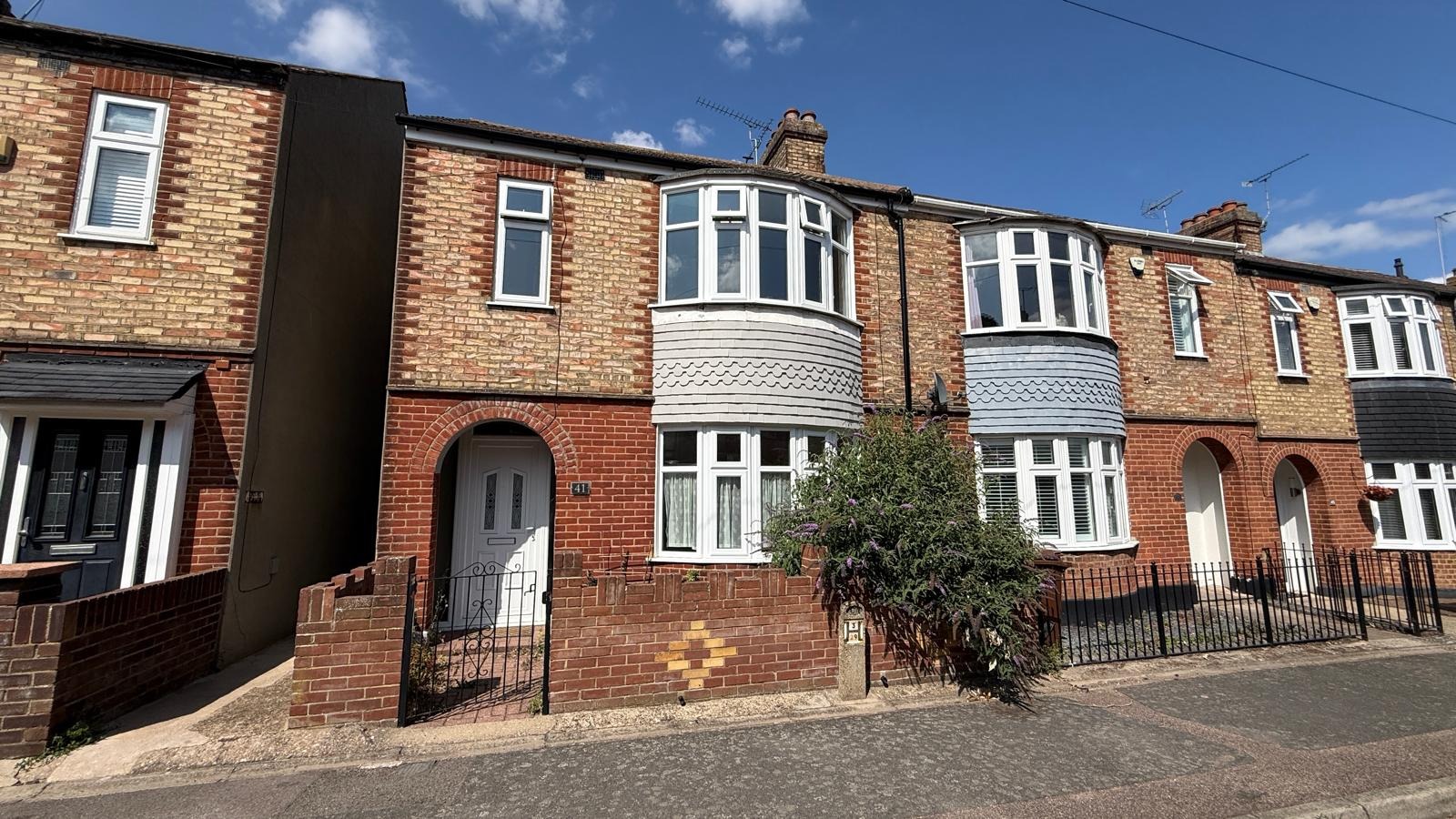
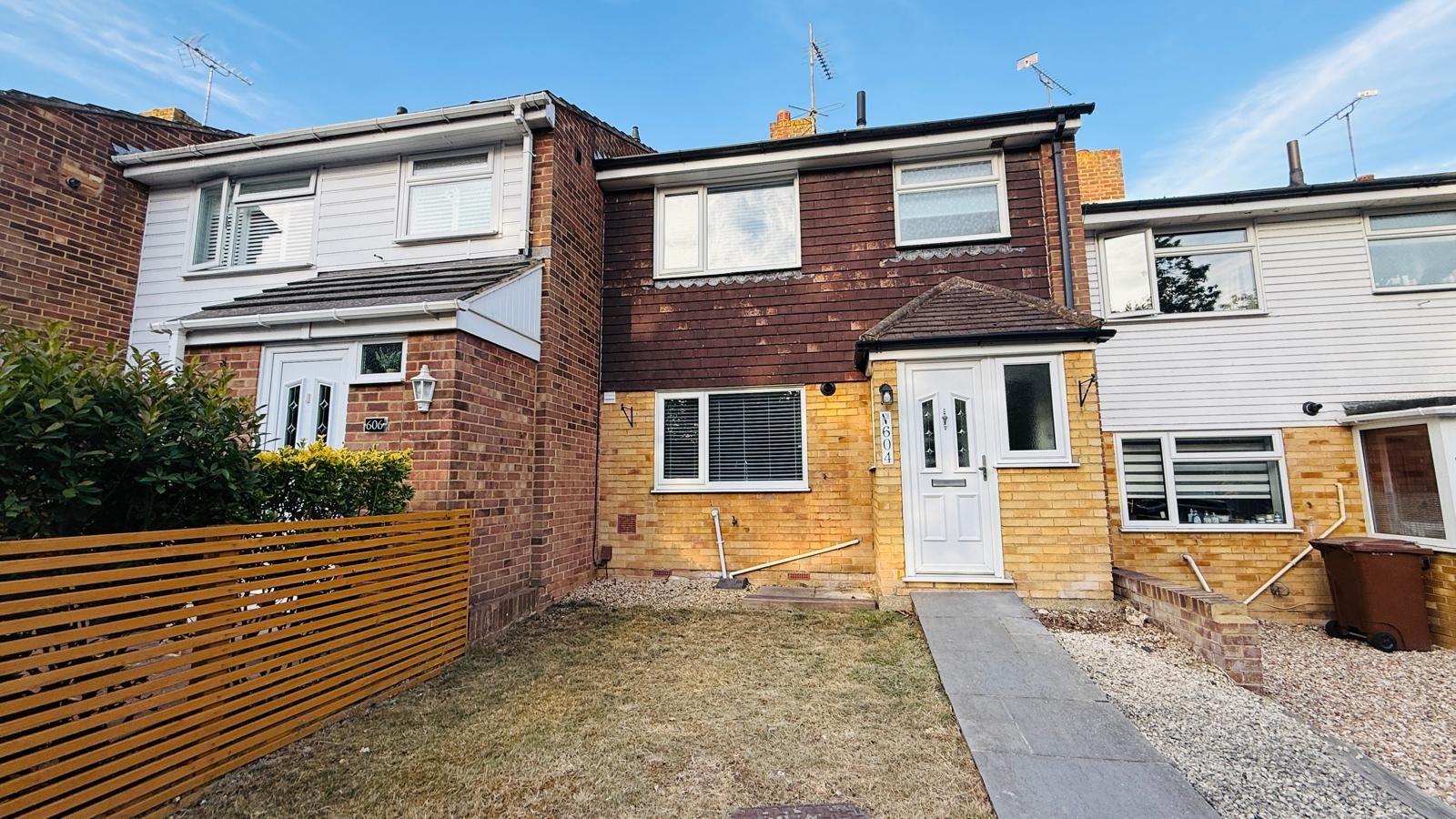
Terraced Homes: 864 sq ft
Terraced houses can vary enormously in size and style.
Rainham has a mixture of properties, from smaller traditional terraces through to larger period homes with more generous rooms and layouts.
The average terraced home in Rainham measures approximately 864 square feet.
The UK average is 969 square feet, making the typical Rainham terraced property 10.9% smaller than the national average.
This is an area where postcode-level analysis becomes particularly interesting.
One part of Rainham might contain predominantly smaller two-bedroom terraces, while another could have a greater concentration of larger three- and four-bedroom period properties.
The overall town average therefore doesn't necessarily reflect what a buyer will find on a particular street.
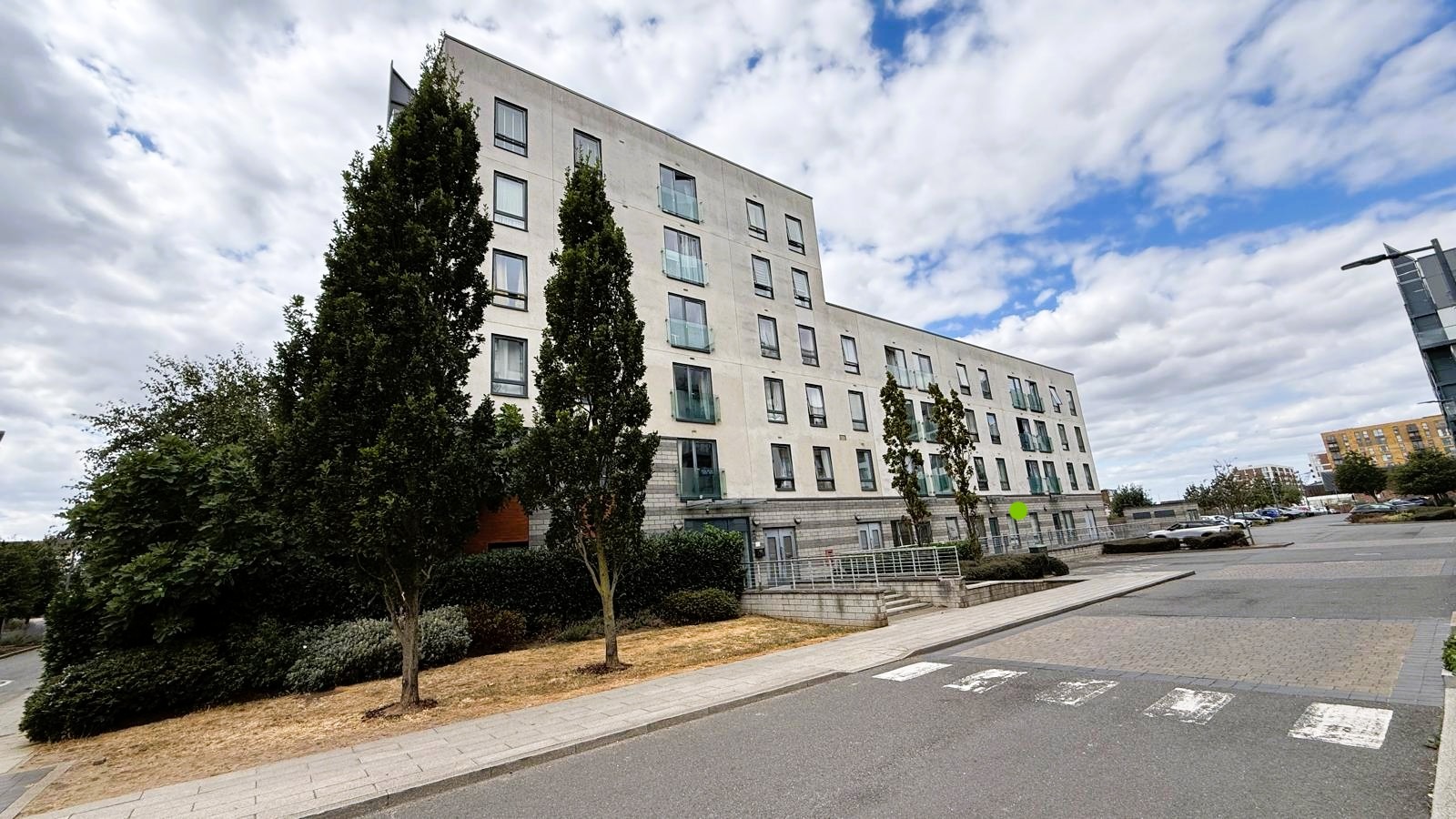
Flats: 569 sq ft
Flats are, unsurprisingly, the smallest of the main property types included in this analysis.
The average flat in Rainham measures approximately 569 square feet.
The UK average for a flat is 669 square feet.
That makes the typical Rainham flat 15.1% smaller than the national average.
There can be significant variation within this category too.
Purpose-built flats, converted period properties, retirement apartments and newer developments can all have very different layouts and floor areas.
For flat buyers, therefore, comparing floor area can be particularly useful when assessing whether a property represents good value.
How Do Rainham's Postcode Districts Compare?
The overall Rainham figure becomes even more interesting when we look at the individual postcode districts.
Rainham's housing stock isn't evenly distributed, and the average property size varies between ME7 and ME8.
ME7
- Detached: 1,478 sq ft
- Semi-detached: 1,043 sq ft
- Terraced: 877 sq ft
- Flat: 581 sq ft
ME8
- Detached: 1,378 sq ft
- Semi-detached: 940 sq ft
- Terraced: 850 sq ft
- Flat: 556 sq ft
The differences are noticeable.
For example, the average detached property in ME7 is around 100 square feet larger than the average detached property in ME8. The difference is also apparent among semi-detached properties and flats.
These variations are likely to reflect the type, age and density of housing found within each area.
This demonstrates why simply looking at a single "Rainham average" can sometimes be misleading.
Why Does Floor Area Matter When Buying or Selling a Property?
Floor area isn't the only factor that determines the value of a home.
Location, condition, plot size, garden, parking, local amenities and the quality of the accommodation all matter. But internal floor space is an increasingly useful way of comparing properties.
Consider two homes with similar asking prices.
One might be a compact three-bedroom house, while the other could be a larger two-bedroom property. On paper, the three-bedroom home might appear to offer more, but the two-bedroom property could actually provide considerably more usable living space.
Similarly, an extended semi-detached house could offer more floor area than a smaller detached property.
This is why bedroom count alone doesn't always tell the full story.
What Does This Mean for Rainham Homeowners?
For homeowners thinking about selling, understanding floor area can provide useful context when assessing how their property compares with others in the local market.
A property that is significantly larger than the local average could have an advantage when competing with similar homes.
Equally, buyers can use floor-area data to look beyond the headline asking price and consider how much space they are getting for their money.
It can also help explain why two properties with the same number of bedrooms can have very different values.
The Bigger Picture
The headline figure is clear: the average Rainham home is 896 square feet, compared with 1,030 square feet across the UK.
That makes the typical Rainham property 13.1% smaller than the national average.
But the real story is more nuanced.
Detached homes in Rainham are only 5.5% smaller than the UK average, while semi-detached homes are 4.9% smaller. Terraced homes are 10.9% smaller, and flats are 15.1% smaller.
And even these figures don't tell the complete story because property sizes vary between ME7 and ME8 — and can vary further from one postcode sector or street to another.
Ultimately, size matters when assessing property value.
For buyers, it helps answer the question of how much space they are getting for their budget. For sellers, it provides another useful benchmark when considering how their property compares with competing homes.
So, while Rainham's average home may be smaller than the UK average, the headline number only tells part of the story.
The more interesting question is: how does your particular property compare?
What do you think? Does floor area influence how you value a property, or do factors such as location, garden, parking and condition matter more?